
True lily markers
- Single stem with multiple buds on one stalk.
- Leaves arranged in whorls or along the stem.
- Six tepals, often with spotting or a midrib.
Plant Database
Build confidence with verified profiles, bloom timing, and identification cues. Each entry blends field observations with botanical sources so the database stays practical, visual, and easy to navigate.
Total entries
19
Species and hybrid groups
Species focus
11 species
Wild lilies and native lines
Hybrid groups
8 groups
Cultivar families and crosses
Division map
8 divisions
Aligned to AHS codes
Directory
Use the filters below to compare species and hybrid groups. Profiles include provenance, form, fragrance, and cultural notes.
Filters
19 entries shown of 19 total.
Division IV
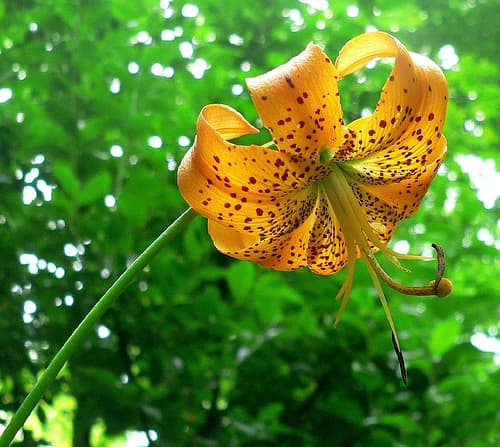
Hybrids of North American species with nodding, turks-cap flowers and strong garden presence.
View profile →
Division I
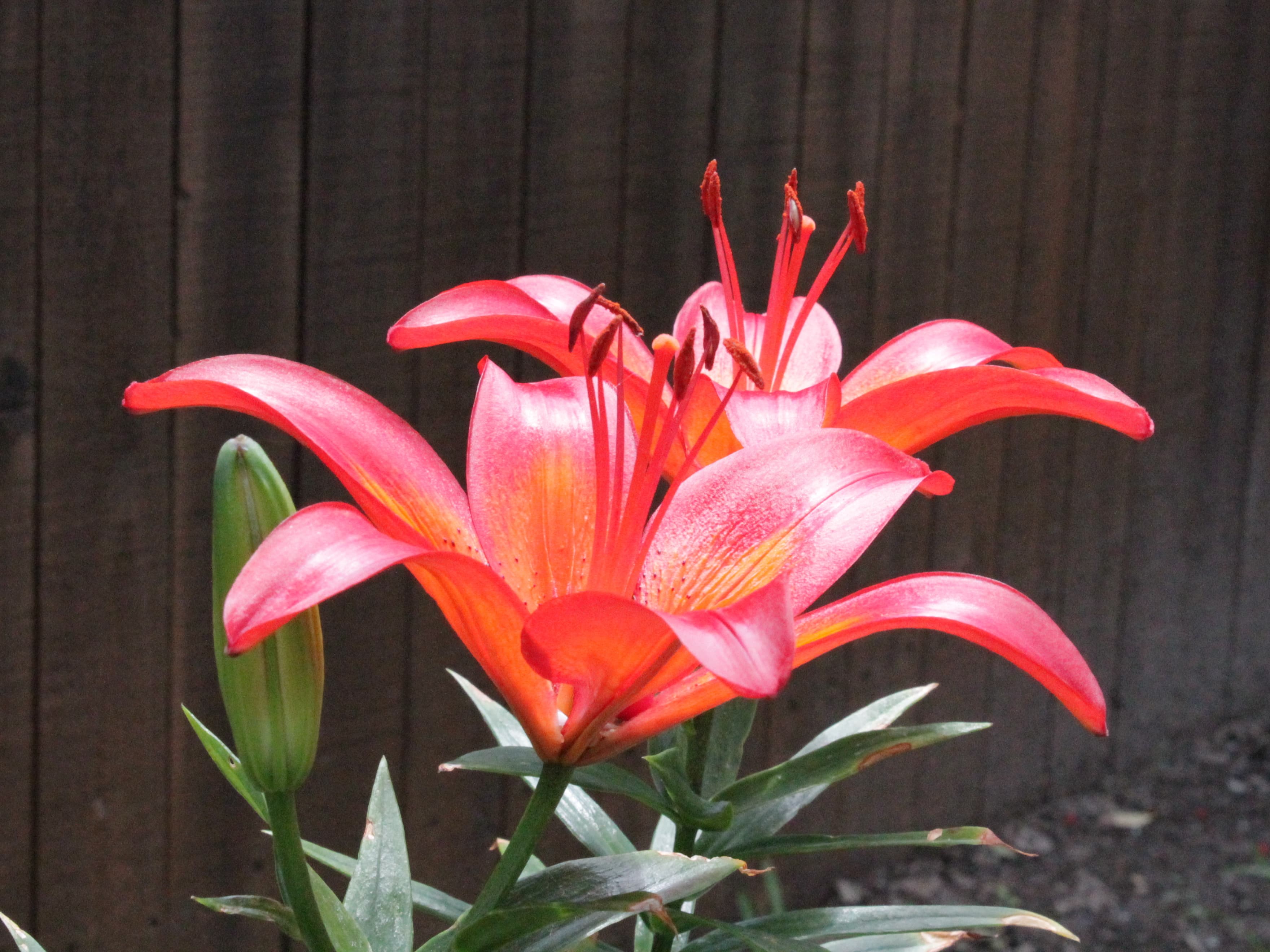
Early-blooming hybrids with sturdy stems, bright colors, and little to no fragrance.
View profile →

Division III
European hybrids with white trumpets, early bloom, and a preference for alkaline soils.
View profile →

Division VIII
Modern crosses such as LA, OT, and LO lilies that blend vigor, fragrance, and form.
View profile →
Gold-banded lily
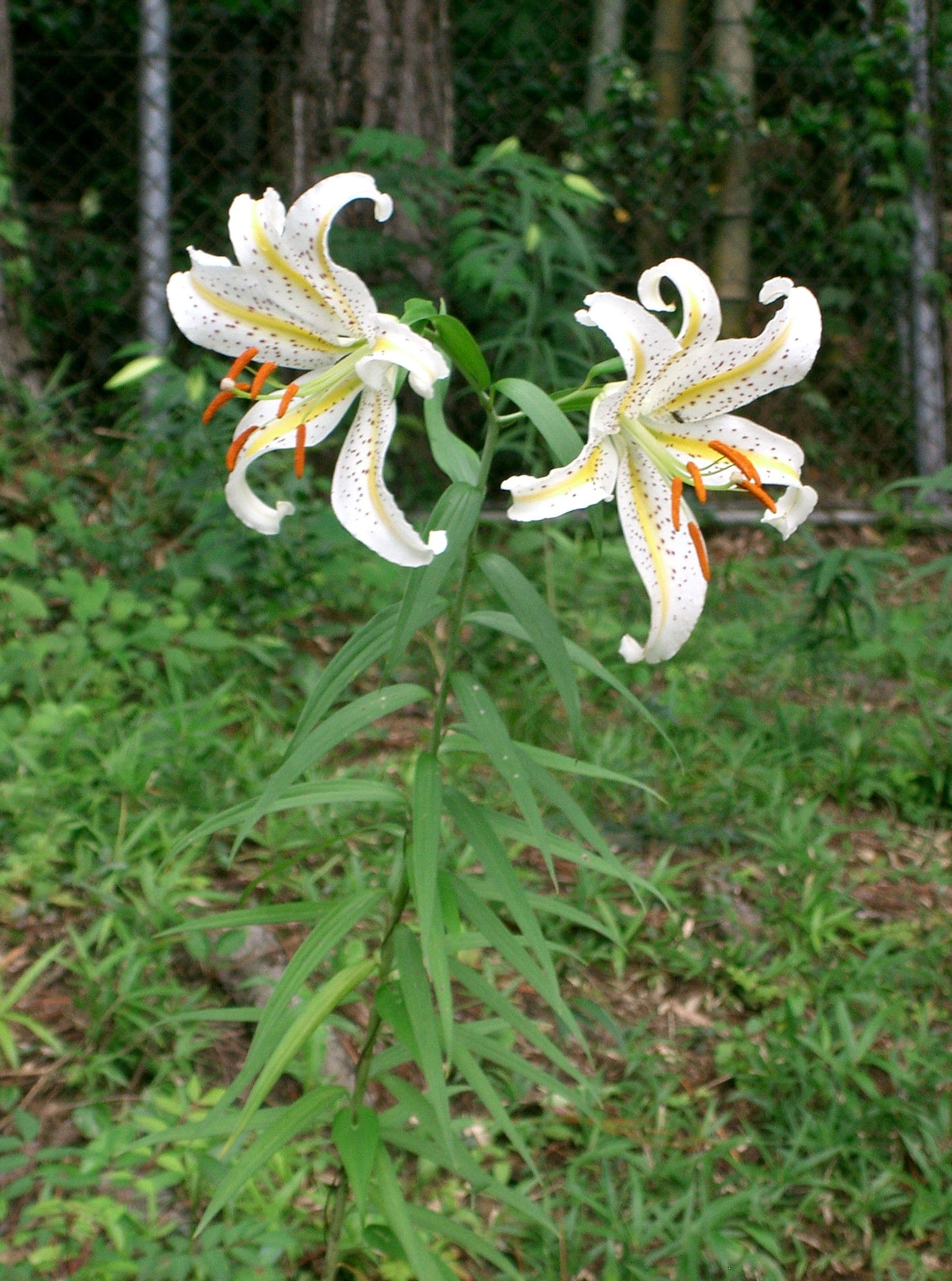
A dramatic Japanese species with huge, fragrant white blooms marked by gold bands and crimson spots.
View profile →
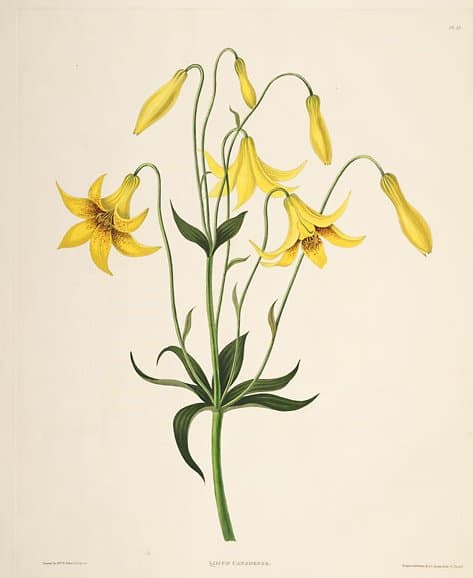
Canada lily
A woodland-edge lily with nodding yellow to red flowers and softly recurved tepals.
View profile →
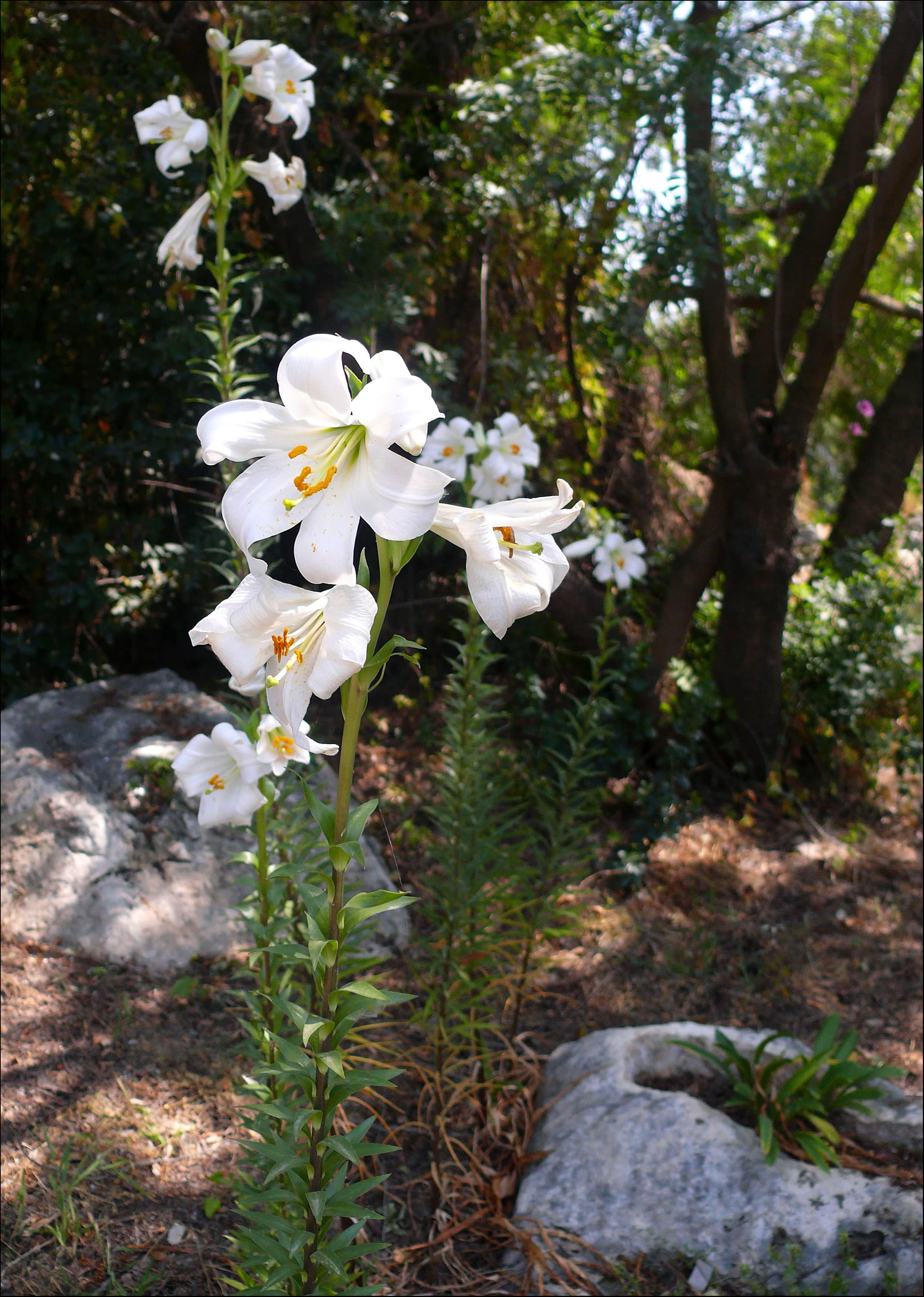
Madonna lily
A fragrant white trumpet lily that forms a basal rosette in winter and blooms early in summer.
View profile →
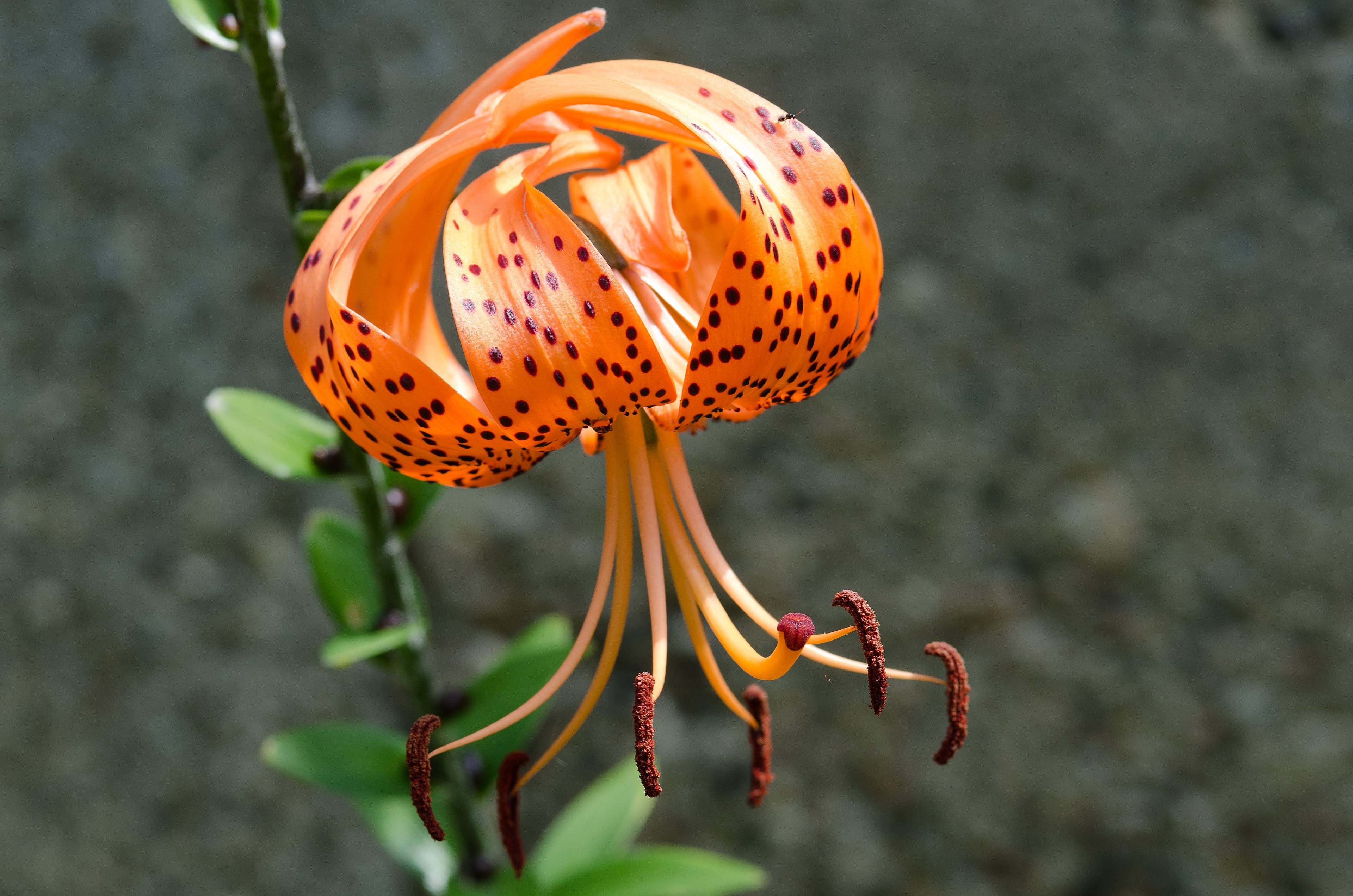
Tiger lily
A durable orange lily with speckled, turks-cap flowers and distinctive bulbils along the stem.
View profile →
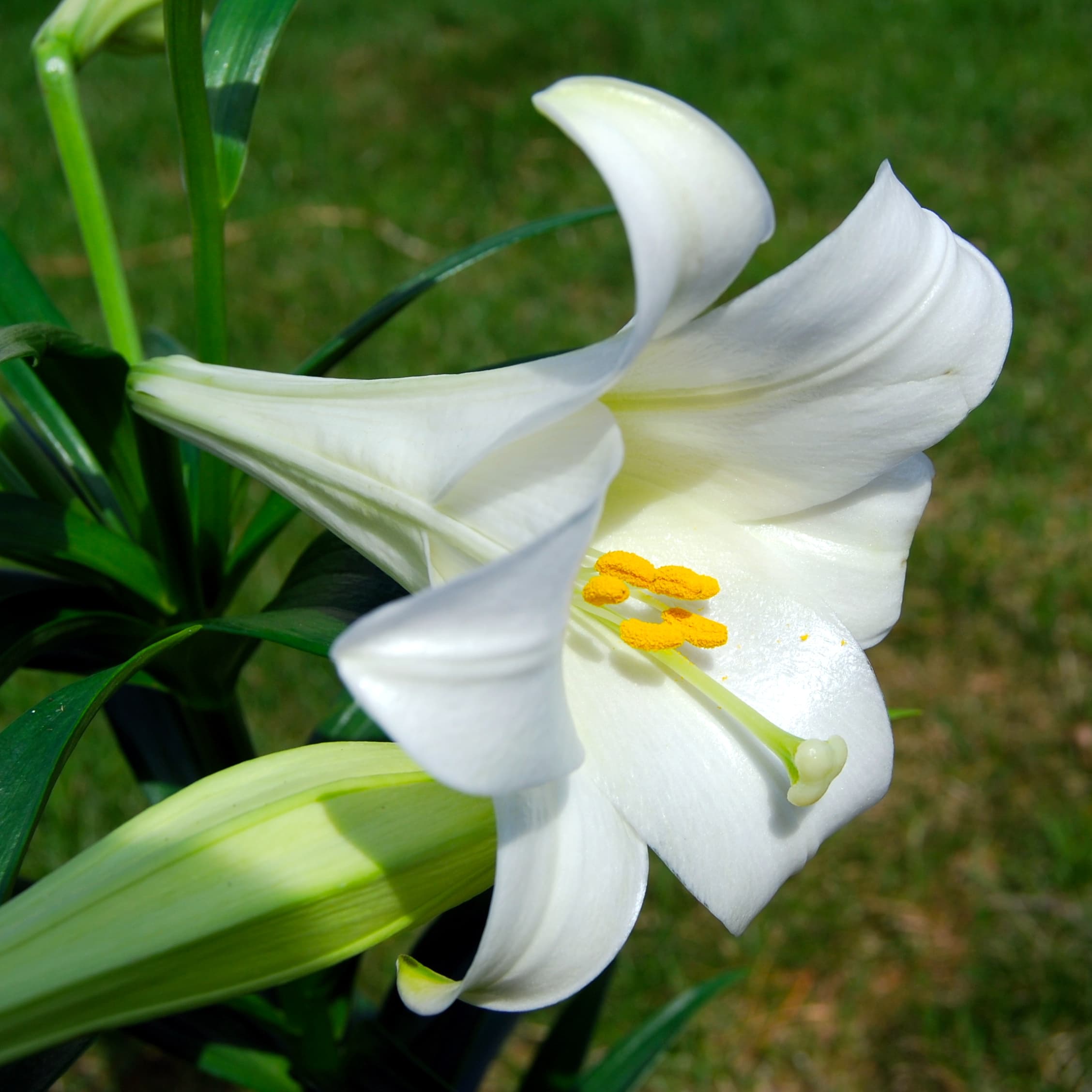
Easter lily
A classic white trumpet lily grown for fragrance and cut flowers, often forced for spring holidays.
View profile →
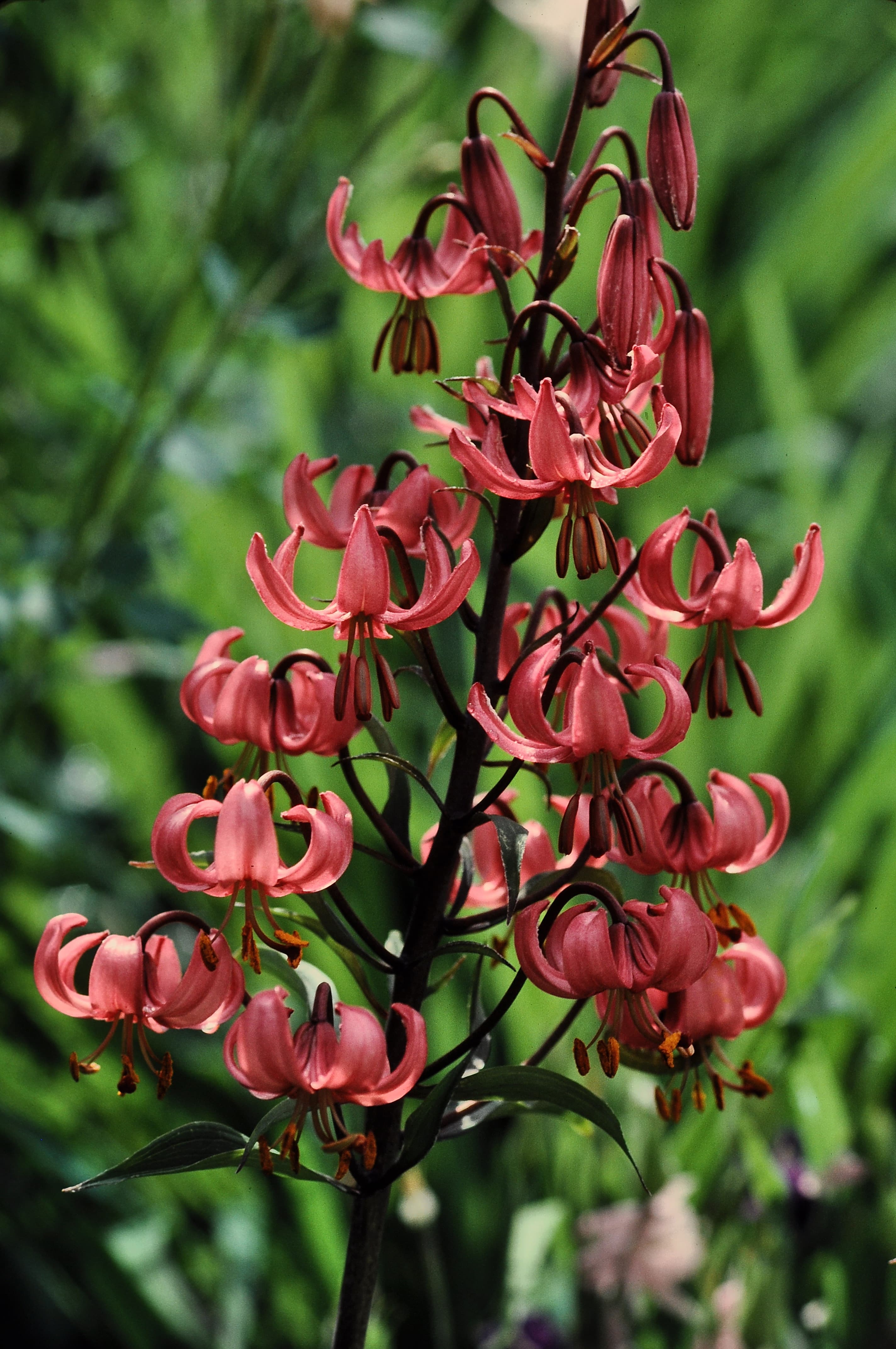
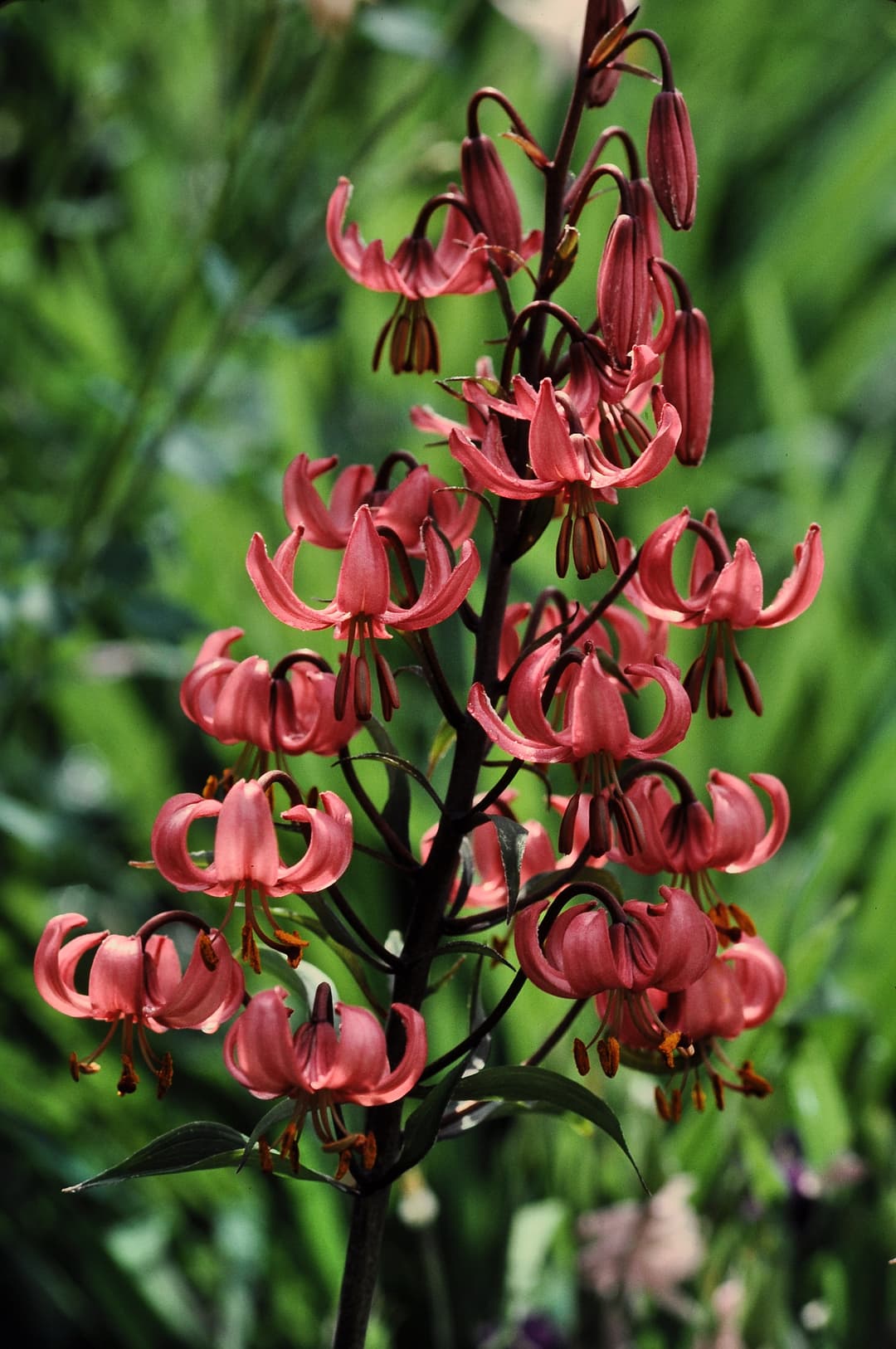
Martagon lily
A long-lived woodland lily with whorled leaves and turks-cap blooms that thrive in cool, dappled shade.
View profile →
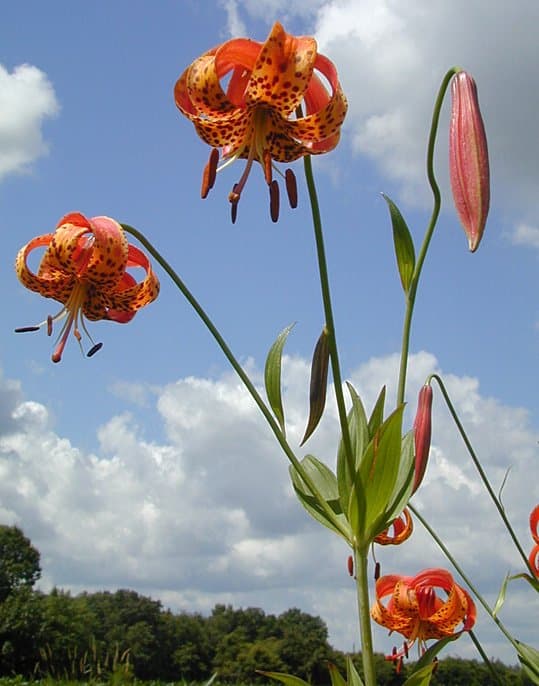
Michigan lily
A wet-meadow lily with orange turks-cap blooms and tall, resilient stems.
View profile →
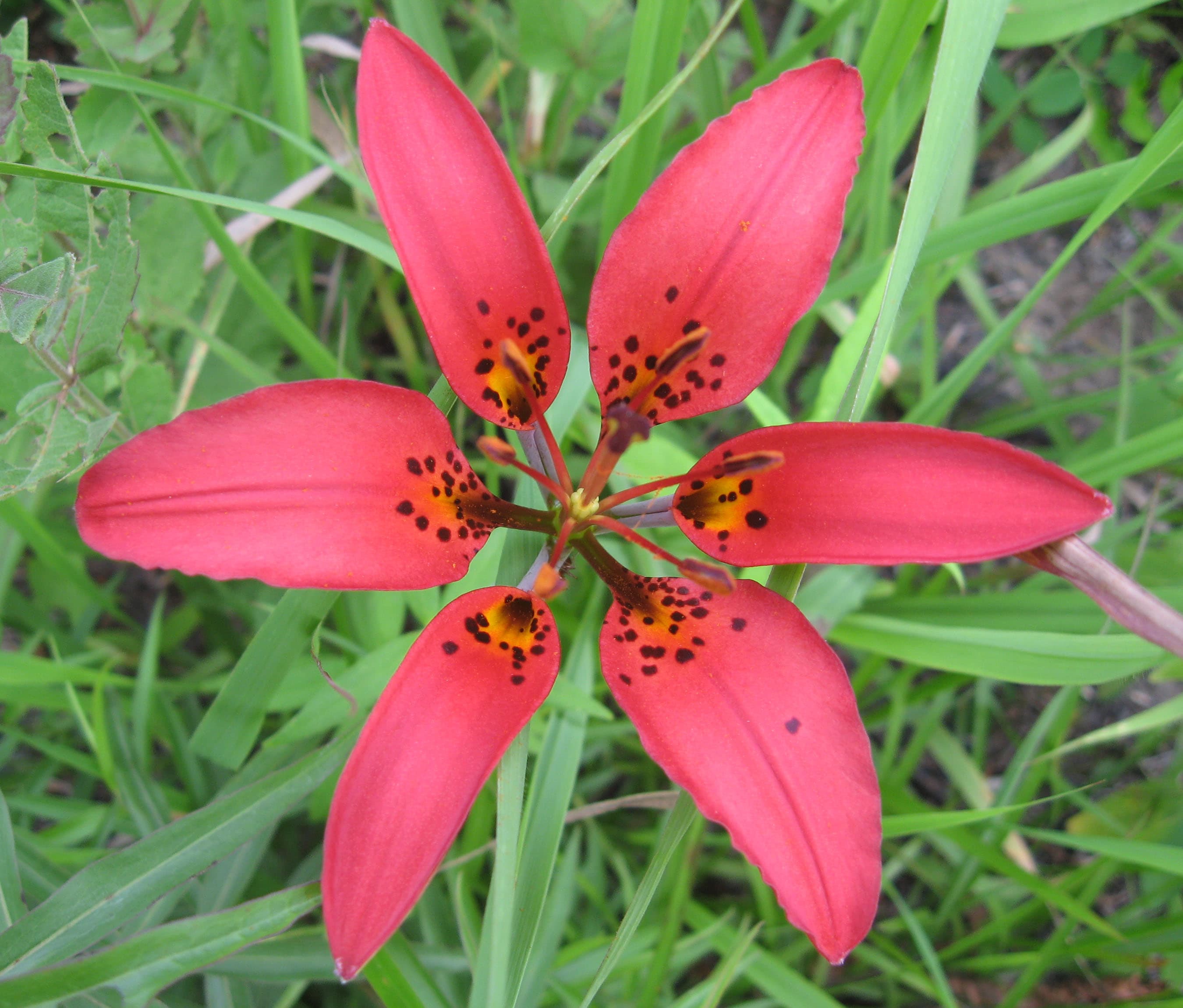
Wood lily
A prairie and woodland-edge lily with upright, cup-shaped orange blooms.
View profile →
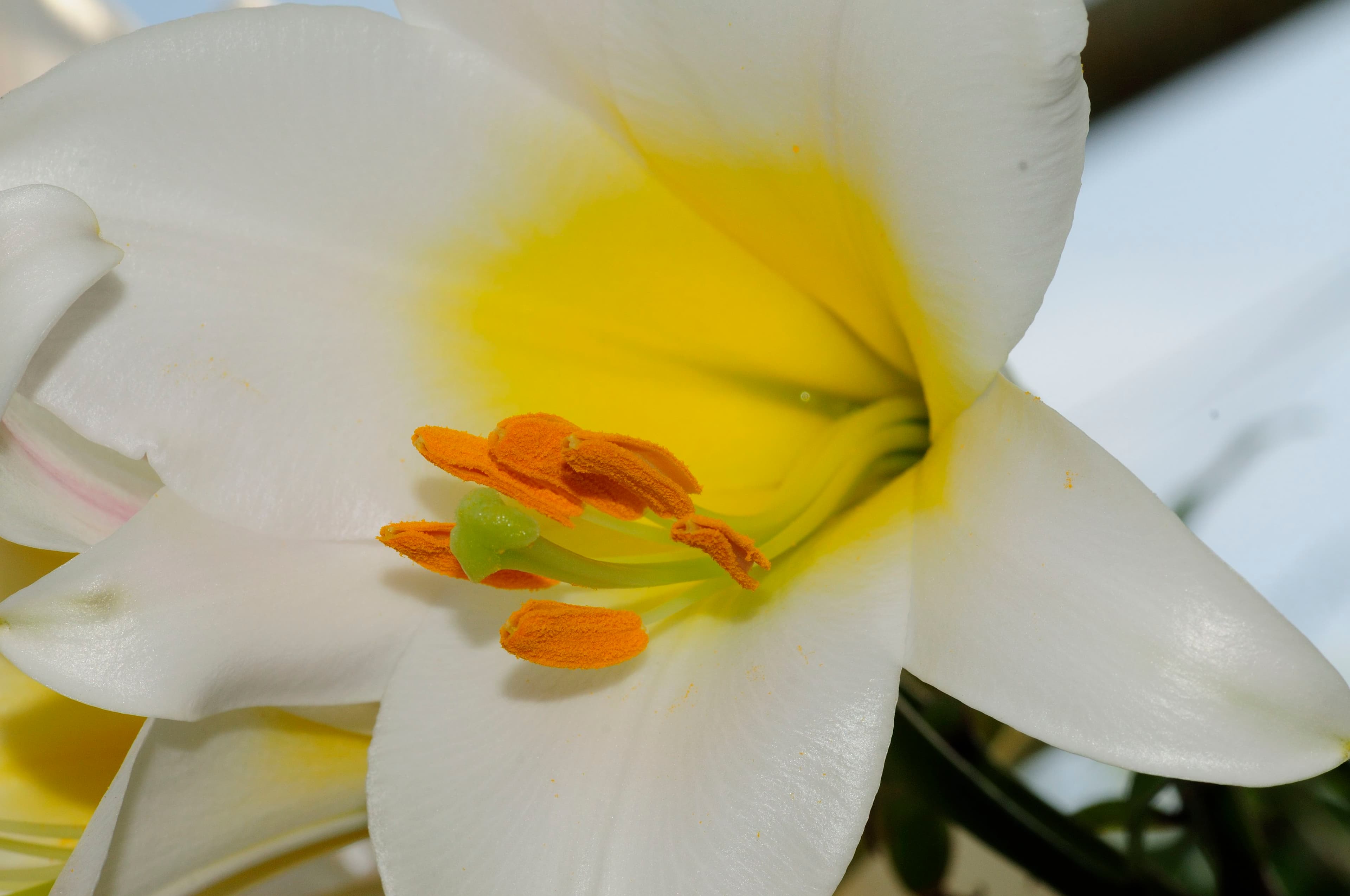
Regal lily
A vigorous trumpet lily from western China with fragrant, white flowers and purple-blushed backs.
View profile →
Turks-cap lily
A towering native lily with dozens of nodding, orange-red turks-cap flowers.
View profile →
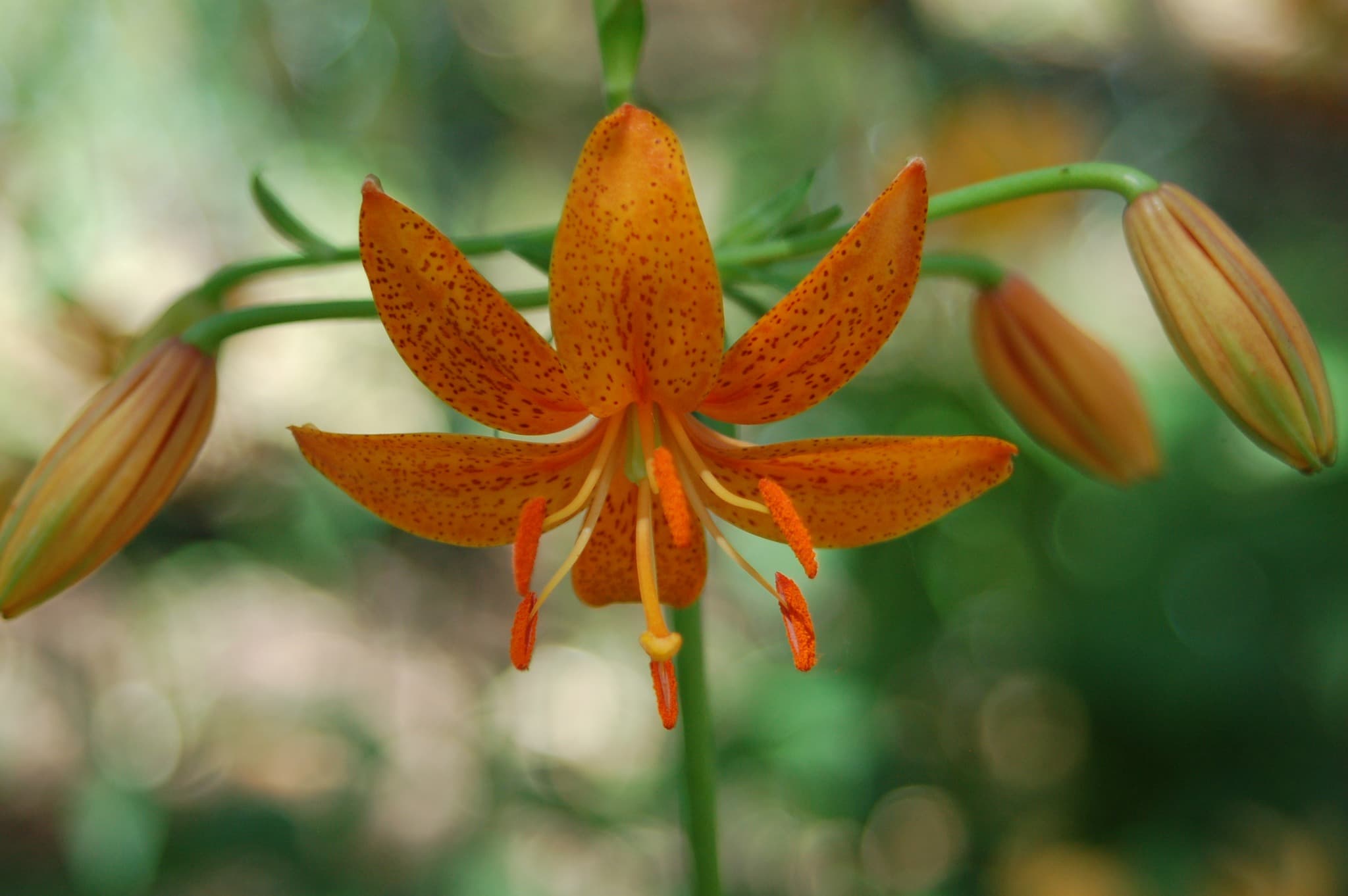
Tsingtau lily
An early-blooming East Asian lily with bright orange, upward-facing flowers.
View profile →
Division V
Elegant white trumpets bred from L. longiflorum for fragrance and cutting.
View profile →

Division II
Shade-friendly hybrids based on Martagon species with nodding, turks-cap flowers.
View profile →
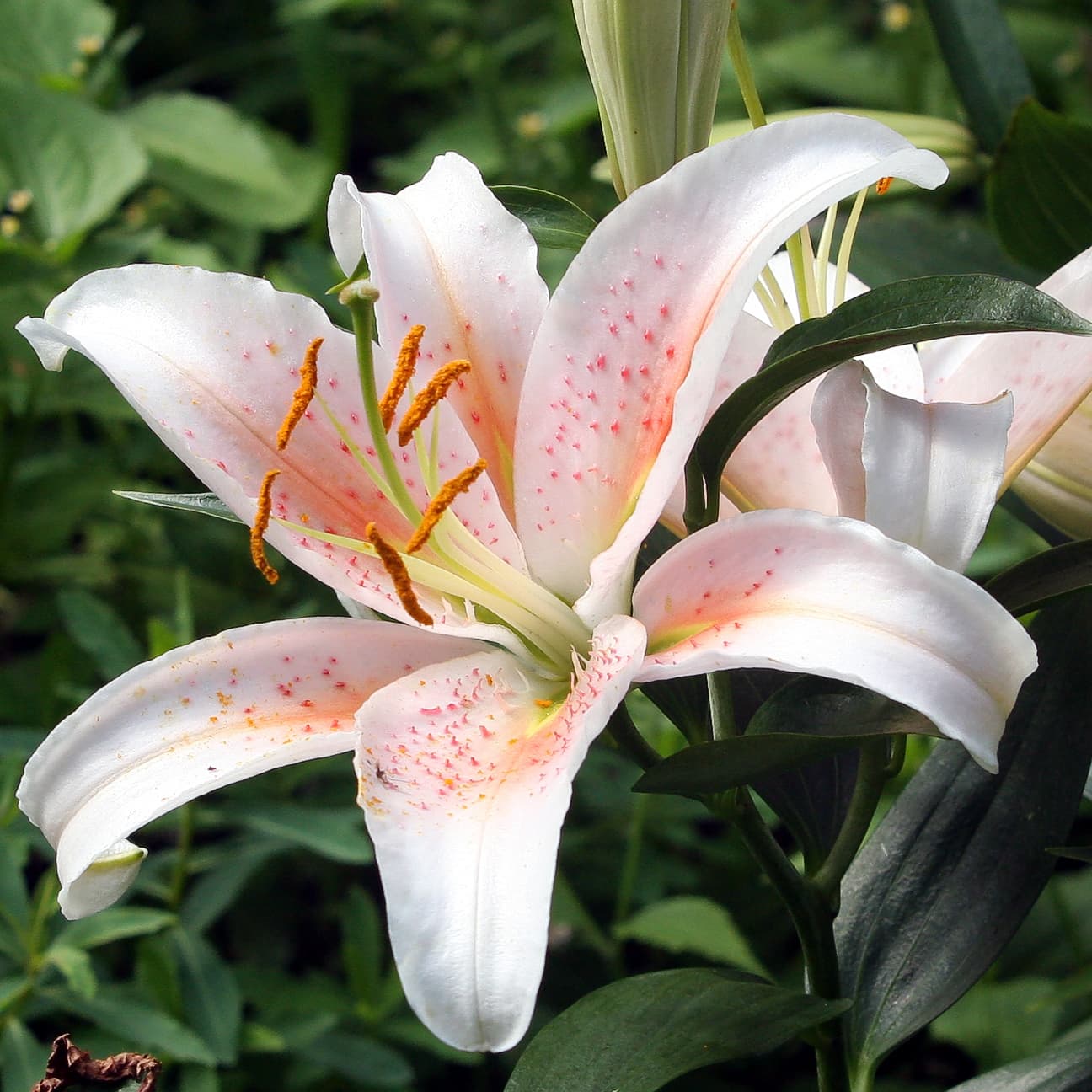
Division VII
Large, fragrant lilies bred from Japanese species with bold color and huge blooms.
View profile →
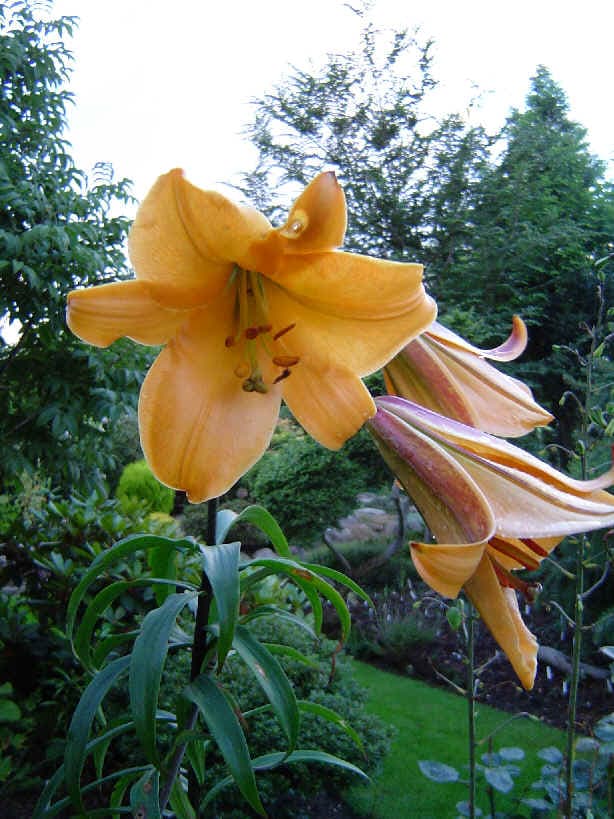
Division VI
Tall, fragrant hybrids with trumpet or bowl-shaped flowers and strong evening scent.
View profile →
Identification guide
Lilies can resemble daylilies or other bulb flowers. Use these cues to confirm you are working with the Lilium genus.
Martagon care
Martagons settle slowly but reward patience. These notes combine field experience with published guidance for Lilium martagon.
Pest watch
The bright red lily leaf beetle can defoliate lilies quickly. Scout in spring and act early for best control.
Adult signs
Look for bright red beetles on stems and buds in early spring.
Larvae signs
Dark, slug-like larvae hide under a coat of frass on leaf undersides.
Response
Handpick, remove larvae, and dispose in soapy water. Repeat weekly.
Citations
Profiles cite Wikipedia species summaries, Plants for a Future cultivation notes, and UW Extension pest guidance. See the Resources page for the full list.
Open the reference list →